

Tonsillitis
Inflammation of the tonsils causing sore throat, pain on swallowing and fever — common in children, and also seen in adults.
Tonsillitis is inflammation of the tonsils — the two soft pads of tissue you can see at the back of the throat, one on each side. The tonsils are part of the body's defence system and help trap germs that arrive through the mouth and nose, which is exactly why they are so often the first place an infection settles. When they become inflamed they turn red and swollen, sometimes with white or yellow spots or a patchy coating on their surface, and swallowing becomes painful. Tonsillitis is very common in children, whose tonsils are naturally larger and who mix closely with other children, but adults get it too.
Most episodes are short-lived (acute) and settle over roughly a week as the body clears the infection, with the sore throat usually at its worst in the first few days. Some people, though, get episode after episode — this is called recurrent tonsillitis, and it is the pattern that most often brings people to an ENT clinic. A smaller number have chronic tonsillitis, where a low-grade sore throat, bad breath and persistently enlarged, uncomfortable tonsils grumble on between clear-cut attacks.
Most tonsillitis is viral. The usual culprits are the same viruses behind coughs and colds — adenovirus, rhinovirus and influenza — as well as the Epstein-Barr virus, which causes glandular fever and can leave you unusually tired for weeks. The main bacterial cause is Group A Streptococcus, the organism behind what people call strep throat. This distinction matters, because antibiotics work only against bacteria and do nothing for a viral infection. Looking at your throat alone cannot always tell the two apart, which is why the pattern of your symptoms, your temperature and the state of the glands in your neck all feed into the decision.
Diagnosis starts with an examination done while you are awake, in the outpatient clinic. The doctor looks at your throat, tonsils and the back of your mouth, and gently feels your neck for tender, swollen glands (lymph nodes). What is found there, together with your temperature and the overall pattern of your symptoms, guides what happens next. Where a bacterial cause is suspected, a throat swab may be advised before antibiotics are considered. If episodes keep returning, an ENT assessment is worthwhile — it builds a clear picture of how frequent and how severe the attacks really are, and rules out other reasons for a sore throat that will not settle.
Tonsils can also cause trouble simply by being large, without any infection at all. In children particularly, enlarged tonsils and adenoids (similar tissue higher up, behind the nose) can narrow the airway during sleep, leading to heavy snoring, restless nights, mouth-breathing and sometimes obstructive sleep apnoea (brief pauses in breathing during sleep). Parents often notice the child sleeping in odd positions, waking unrefreshed, or being irritable and inattentive in the daytime. This is a separate problem from repeated infections, and it is assessed differently — so it is always worth mentioning snoring and sleep quality at the consultation, even if the visit was booked about sore throats.
Symptoms

Sore throat

Pain on swallowing (odynophagia)
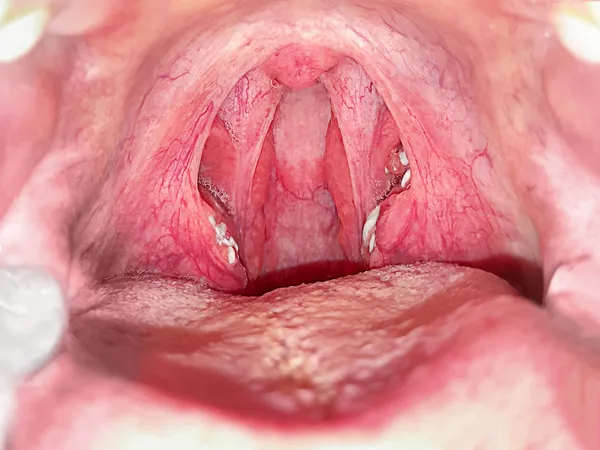
Red, swollen tonsils with white or yellow spots

Fever

Tender, swollen glands in the neck
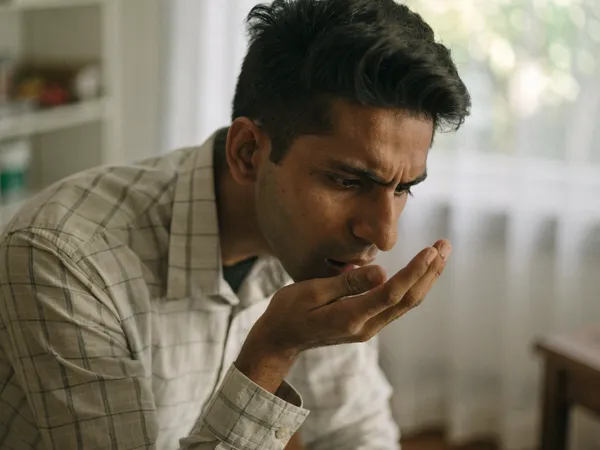
Bad breath

Tiredness and headache

In young children: tummy ache, dribbling or refusing food and drink
Causes
Viral infections (adenovirus, rhinovirus, influenza) — the commonest cause
Epstein-Barr virus, which causes glandular fever
Bacterial infection, mainly Group A Streptococcus (strep throat)
Frequent exposure in children at school or nursery
Close contact with someone who has a throat infection
Repeated coughs and colds, which are caused by the same viruses
How tonsillitis is treated
For most episodes, treatment is about supporting your body while it clears the infection: rest, plenty of fluids (cool drinks are often easier than hot ones), and simple pain relief to make swallowing bearable. Adults often find salt-water gargles soothing. Because the majority of cases are viral, antibiotics are not routine — they are considered only when a bacterial infection, usually streptococcus, is thought likely or has been confirmed, and giving them when they are not needed brings side effects without benefit. That decision, and any choice of medicine, is made by the doctor after examining you; nothing here is a prescription.
Surgery to remove the tonsils (tonsillectomy) is not a first step, and it is not the answer for an ordinary sore throat. It comes into the conversation for frequent, well-documented episodes over a period of time that are genuinely disrupting school, work or family life, or when enlarged tonsils are obstructing breathing and sleep. Where surgery is indicated, coblation — a technique that removes tissue with a controlled energy beam at a much lower temperature than traditional heat-based surgery, which generally means less bleeding and a more comfortable recovery — is one of the approaches used in ENT practice, and Abhinav's ENT Care Center offers coblation procedures. Like any operation, tonsillectomy has trade-offs — the throat is sore for a week or two afterwards, and there is a small risk of bleeding, which is why recovery is talked through carefully beforehand. Whether surgery is appropriate for you or your child is a decision Dr. G Abhinav Kumar Reddy makes only after a proper assessment.
If enlarged tonsils and adenoids are causing snoring or disturbed sleep rather than repeated infection, the assessment focuses on the airway itself, and treatment is planned around that. Either way, the first step is the same: a calm outpatient examination, an honest look at how much the problem is affecting daily life, and a plan you understand. You are welcome to call the clinic on +91 63021 34527 to arrange a consultation.
When to seek care
Book an appointment if sore throats keep coming back, if an episode is dragging on beyond about a week or is getting steadily worse rather than better, or if difficulty swallowing or disturbed sleep is affecting daily life — an outpatient examination while you are awake is usually the starting point. Seek urgent care the same day for difficulty or noisy breathing, drooling or being unable to swallow saliva and fluids, severe one-sided throat pain with difficulty opening the mouth and a muffled 'hot potato' voice (which can point to a quinsy, a collection of pus beside the tonsil), or a stiff neck. In a young child, also seek review promptly if they are not drinking, have had far fewer wet nappies than usual, or seem drowsy and hard to rouse — children can become dehydrated quickly when swallowing hurts; a widespread rash, or a child who seems very unwell, also needs prompt review. These situations are uncommon, but they are worth knowing about so you can act quickly if they arise.
Frequently asked questions
Related treatments
Related conditions
Book an appointment
Get an accurate diagnosis and a treatment plan tailored to you.